Living in a place where winter bites hard, I’ve always been on the lookout for the ultimate protection against the cold. My journey recently led me to an even more extreme scenario: preparing for conditions akin to Siberia. I needed to find the warmest winter hat imaginable, something that would truly keep my head from freezing. This wasn't just about comfort; it was about serious protection, ensuring my "pumpkin head" stayed safe from the brutal elements.
I started my search thinking about durability and long-term investment. I had a soft spot for trapper hats, specifically remembering the quality and comfort of those from Overland. They felt good, kept my head and ears warm, and seemed like a solid choice for "buy it for life." But as I dug deeper, I realized my priorities might have been a little off for truly brutal cold. The idea of a beanie lasting forever was appealing, but was it truly the right focus when facing such intense weather?
My initial thought was to find a beanie that would last forever, something that could withstand years of wear. I admired the craftsmanship of certain brands, but I quickly learned that when you're facing temperatures that can drop to -10 or even -20 degrees Fahrenheit consistently, like in Minneapolis on its coldest days, or even more so in Siberia, "lasting forever" takes a backseat to "keeping you alive."
I realized my first priority couldn't be how long the beanie would last. Instead, it had to be about whether it was warm enough to prevent my head from freezing solid. This was a critical shift in my thinking. I started asking around, seeking advice from people who truly understood extreme cold. I needed practical, real-world solutions, not just something that looked good or promised longevity.
My search for the ultimate headwear for extreme conditions led me down a path of discovery. I began to understand that the kind of cold found in places like Siberia demands a different approach entirely. A regular knitted beanie, no matter how thick, simply wouldn't cut it. The concept of finding the warmest beanie for Siberia quickly evolved into a quest for something far more robust and specifically designed for survival in freezing temperatures.
As I gathered insights, a clear theme emerged: for truly brutal cold, a simple beanie is often insufficient. Many people I spoke with, especially those with experience in places like Alaska, emphasized that I needed to "do as they do." This meant saving my money on conventional beanies and investing in something more substantial, often made from real fur. I wasn't usually one to promote fur, but the sheer practicality for survival in Siberian-like conditions was undeniable. The advice was direct: when it's that cold, you need to focus on covering and windproofing every single inch of exposed skin. A thin beanie just wouldn't provide the necessary coverage or wind resistance.
My research strongly pointed towards fur hats with ear flaps. These hats offer unparalleled warmth and protection against biting winds. I learned that types like beaver or muskrat hats are often recommended for their superior insulating properties and durability in extreme cold. They are designed to cover not just the top of your head but also your ears, neck, and sometimes even parts of your face, which is crucial for preventing frostbite. The natural density and loft of real fur create an incredible barrier against the cold, trapping warmth close to the skin and repelling moisture.
I also kept hearing about trapper hats. These are a fantastic middle ground, often featuring a durable outer shell (sometimes water-resistant) and a warm inner lining, with flaps that can be secured under the chin for full ear and jaw protection. While Overland's trapper hats were good, the advice pushed me towards those with even more robust lining, sometimes even real fur, for the most extreme conditions. The ability to tie the ear flaps down securely makes a significant difference in preventing heat loss and protecting sensitive areas from wind chill.
If a knitted cap was still my preference, I discovered that it had to be specially designed for warmth. This meant looking for something either "thrummed" (a traditional knitting technique where roving wool is knitted into the fabric, creating a dense, insulating layer) or otherwise thickly lined with fleece. And when I say fleece, I mean actual wool fleece, not just polyester. Wool has natural properties that make it superior for retaining heat and wicking moisture, even when damp. It's breathable yet incredibly insulating, making it an excellent choice for cold-weather headwear.
This insight was pivotal. I started looking for beanies that offered more than just a single layer of knit. I needed something with a substantial inner lining that could trap heat effectively. This led me to explore options from various manufacturers, keeping an eye out for those that explicitly mentioned robust lining materials and superior insulation properties. It was clear that a simple, unlined knit wouldn't stand a chance against truly bitter cold.
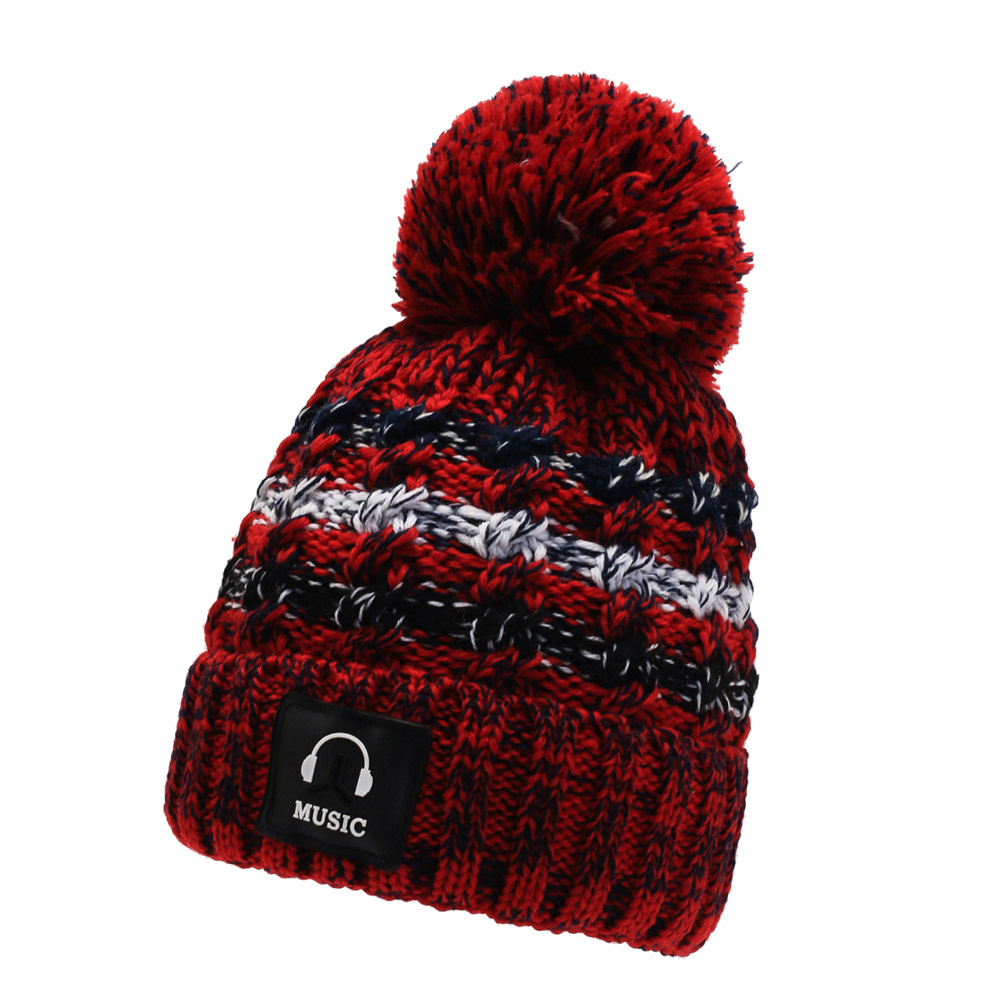
In my search for a practical yet incredibly warm solution, one that could handle significant cold without being a full fur hat, I stumbled upon a product that truly impressed me. It was a Winter Hat designed for women, featuring a thicker knit and a soft, fleece-lined interior. This wasn't heavy-duty arctic survival gear, but it certainly met the criteria for a well-insulated knitted cap capable of providing substantial warmth in very cold conditions.
The Winter Hats for Woman Thicker Beanies Knitted Cap I found was exactly what I needed for those days when extreme cold calls for extra protection without going full fur. It’s a chenille ball hat with a fleece-lined interior, offering a wonderful balance of softness, warmth, and style. The "Wine Red Beanie-Free Size(55-59cm)" fits comfortably and truly makes a difference. The fleece lining is plush and effective at trapping heat, making it much warmer than a standard beanie. It feels incredibly cozy, like a warm hug for my head and ears, and for daily cold-weather wear, it became my top choice when I needed something more than just a casual knit.
This hat from Wholecustomdesign provided a fantastic solution for many cold-weather situations